What Private Aviation Is For

What private aviation is for

A jet is a tool. It is not the point of the trip.

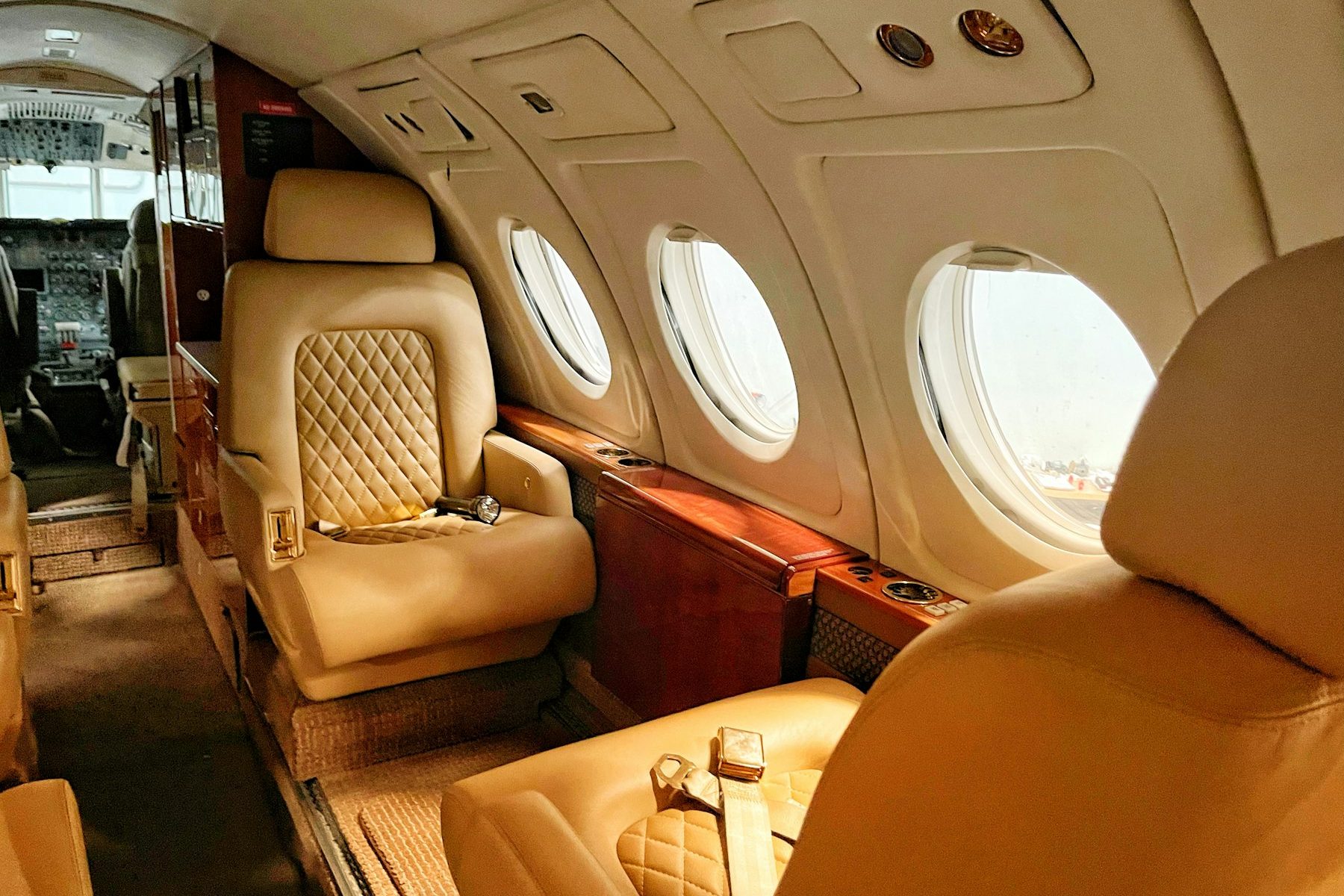
Private aviation is the right call when the commercial day would spend the trip before it starts: a tight connection, a remote strip, a family that cannot afford to miss a window, a safari circuit that only makes sense in the air. It is the wrong call when it is being used as a caption.

I arrange charter, empty legs when they are real, and first commercial when first commercial is the elegant answer. The work is matching the aircraft to the day, not decorating the itinerary with a tail number.

When It Is Worth It

Bush strips in Botswana and Namibia. A Greece island hop that would otherwise be a ferry plus a hope. A group moving together so no one is in Terminal 3 while someone else is already at the house. A medical or time constraint that is not a preference, it is a fact. The point is hours given back to the trip, and a landing that is close to the door you actually want.

A well-designed commercial itinerary — the right airline, the right cabin, a lounge that is not a rumor, a connection that is humane — is still luxury. I will say so. Taste includes knowing when not to charter.

It is also worth it when the commercial alternative is not a seat, it is a day: a missed safari light, a missed table, a child who cannot do a second connection. Those hours are the trip. Spending them in a terminal is not economy. It is a different itinerary.

How I Handle The File

Aircraft, operator, insurance, and the ground on both sides. A beautiful cabin that delivers you to a chaotic transfer is not a designed arrival. Virtuoso and the operators I trust are useful here the same way they are at a hotel: someone answers when the slot moves. The planning fee for this kind of file is quoted after discovery because the work is not a template. See Investment.

Private aviation is also not a destination on this site. It is a line in the process. The pictures in An Open Atlas are places. The jet, when we use one, is how you enter them.

I will not quote a heavy jet because it photographs. I will quote the aircraft that can make the weather, the strip, and the passenger count. Empty legs are real when they are real. They are not a strategy. If the date cannot move, we do not build the trip around a maybe.

The Ground On Both Sides

The cabin is not the arrival. The arrival is the car, the camp airstrip, the house that is actually ready, the person who knows you are coming. I design the ground with the same attention I design the air. A charter that dumps you into a taxi queue is not private aviation. It is a more expensive commercial day.

On safari, the strip is part of the camp. On an island, the boat or the car is part of the house. In a city, the FBO is not the hotel. I will not leave a gap between the stairs and the door. That gap is where trips come apart, and it is the part a tail number cannot fix.

This is why the brief matters more than the aircraft. How many people, how much luggage, whether anyone is averse to small aircraft, whether you want the plane as a time machine or as an experience. I will not upsell a heavy jet for a short hop. I will not put you in a cabin that cannot make the weather.

What To Tell Me

How many people, how much luggage, whether anyone is averse to small aircraft, whether you want the plane as a time machine or as an experience. The conversation is the brief. How To Brief An Advisor is the longer version of that.

If the next trip might need the air, or might not, say so in the first conversation. We will not decide in the abstract. We will look at the days, the strips, the commercial alternative, and the hours you would get back. Sometimes the answer is a jet. Sometimes it is a better connection and a lounge that is actually a lounge. Both can be luxury.

If the next trip might need the air, or might not, begin here. Discovery is complimentary. Inquire.
Shoulder Season, On Purpose

Shoulder season, on purpose

The better week is often the quieter one.

Shoulder season is not a discount trick. It is a decision about how a place is allowed to feel. The same hotel in the same town can be two different trips depending on the week you choose. I would rather change the date than fight a crowd I could have avoided.

Europe in late September. Japan beside the blossom, not inside it. Safari when the land is still itself and the camps are not performing for a full house. The Maldives when the light is good and the house reef is not a traffic pattern. None of this is secret. It is simply not what a search bar rewards.

What You Gain

Tables. Rooms that were said to be full in high season. A guide who is not running a circuit. Heat that is livable, or cool that is the point. The feeling that the place can still receive you.

You also gain honesty. Some houses close. Some islands have weather. Some roads are mud. I will not sell you a romantic shoulder if the ferry is cancelled three days a week. Seasonality is part of the design, not a footnote.

What you gain most is attention. A quieter week is not empty of luxury. It is empty of the performance a full house requires. Preferred partners still know how to receive a guest. Often they can actually deliver the amenity sheet, because the house is not at capacity pretending it is not.

What You Give Up, And What You Do Not

You may give up a festival, a migration peak, a beach day that is guaranteed. You do not give up luxury. Preferred partners still know how to receive a guest in October. Virtuoso amenities do not expire because the town is quieter. Often they are easier to actually deliver.

Holiday weeks — the second half of December, Easter, the August coastal crush — are a different file, with different fees when the request comes late. That is on the Investment page because the work is different, not because the calendar is decorative.

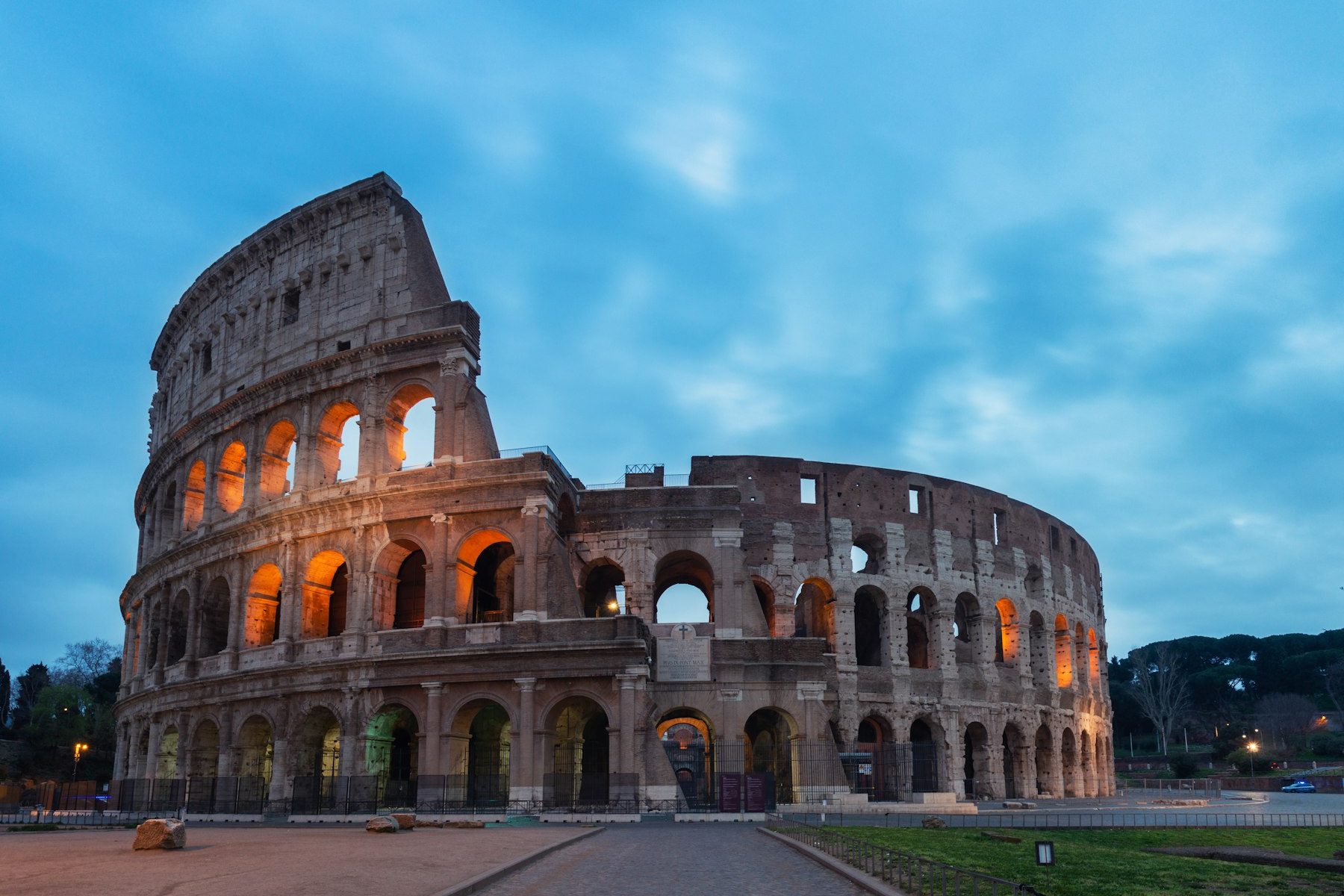
You also do not give up the icon. Rome in November is still Rome. Kyoto beside the blossom is still Kyoto. A coast in June can be better than a coast in August if the point is the water and not the scene. The question is what the trip is for, not whether the postcard is in season.

Places Where The Shoulder Is The Season

Europe after the August close, before the lights of December: late September and October in the Luberon, in Tuscany, on a Greek island that has not yet shut the kitchen. The piazza is the point. The crowd is not.

Japan in the weeks beside blossom and beside foliage, and in the winter when the bath is the reason. Safari in the months the camps are themselves — not always dry season, not always the famous month. The Maldives when the light is good and the house reef is not a lane. Chile and Patagonia when the window is real and the wind is named honestly.

None of these are secrets I am leaking. They are dates I will propose when the brief is a feeling and not an event. If the brief is a specific festival, we build around the festival and protect the days on either side. That is different work. I will not pretend the crush is charming if we could have moved the week.

How I Choose The Week

We start with what the trip is for. If it is a specific event, we build around the event and protect the days on either side. If it is a feeling — a coast, a city, a first safari — I will propose the week the feeling survives. That is the analog escape applied to a calendar. I wrote the pacing version in The Analog Escape.

I will also say when the quieter week is the wrong call: a migration you actually want, a house that closes, a sea that is not swimable, a festival that is the point. Shoulder season is a tool. It is not a personality. The brief decides whether we use it. I wrote how to start that conversation in How To Brief An Advisor.

If you want the quieter week on purpose, begin with a conversation. Discovery is complimentary. Inquire here.

How To Brief An Advisor

How to brief an advisor

The first conversation is the itinerary, started.

A good brief is not a Pinterest board. It is a few true sentences about how you travel, who you are with, what you will not do, and what the trip is for. I can work from a mood. I cannot work from a mood that is pretending to be a spreadsheet.

Discovery is twenty to twenty-five minutes and complimentary. It is not a sales call. It is how I learn whether we are a fit, and which engagement the work actually is — a simple week, a signature trip, an expedition. The fee sheet is public on this site under Investment.

What I Need To Hear

Who is going, and who is deciding. Dates that are real versus dates that are a wish. A budget that includes the trip, not only the hotel. Whether a suite is a need or a habit. Whether you want a villa, a hotel, or you do not yet know. Pace: one city or four. Appetite: restaurants as the point, or restaurants as fuel. How you feel about early flights, long drives, and a day with nothing on it.

Also the thing underneath. A birthday. A return after a long time away. Travel with children who are no longer children. A first safari. Japan again. You do not have to make a speech. One sentence is enough.

If you already know you want a house, say so. If you already know you do not, say that too. I wrote the architecture version in When A Villa Is The Right Call. The brief is not the place to perform taste. It is the place to tell the truth about how you actually travel.

A useful brief is short. Three true sentences will take me farther than a deck. How you like to wake. Who has to be happy. What would make the week a failure. I can design from that. I cannot design from a mood board that will not admit a constraint.

What I Do Not Need

A forty-page brief copied from a forum. A list of hotels you have already booked. A request to reverse-engineer an influencer’s week. I will look at inspiration if it is yours. I will not rebuild someone else’s itinerary and call it designed.

If you already know the hotel and the dates, hotel-only work is a different, smaller file. Say so. Do not hire planning and then require that nothing move.

I also do not need a performance of how well-traveled you are. I need the constraints: the person who will not do a small aircraft, the child who still needs a connecting door, the week that cannot move, the budget that is real. Constraints are not a failure of the brief. They are the brief.

What A Fit Actually Means

Fit is not chemistry. It is whether I can do this work the way I do it, and whether you want that. If you need a large agency with a bench of advisors, I am not that. If you need someone who will book the hotel that photographs well and hosts poorly because it ranks, I am not that either. I wrote the refusal list in What I Will Not Book.

Discovery is where I say so. You should leave the call knowing whether we continue, and at which engagement. Planning is billed separately and is non-refundable once we start, because the work starts. That is on the fee sheet because the work is real, not because the conversation is a funnel.

If we are not a fit, I will say that too. A complimentary call that ends in a no is still a successful brief. It saves the trip from being designed by the wrong person.

What Happens After We Talk

You leave discovery with a written next step. If we continue, a service agreement and a non-refundable planning fee start the design. Options are refined until the itinerary is yours. I remain reachable while you travel. I wrote the other half of this in After You Return.

The brief does not end when the itinerary is issued. If the day shifts, I want to know how you travel well enough to move the day without a second interview. That is why the first conversation is the itinerary, started — not a form you fill so I can fill a template.

If you are ready to brief the trip, begin here. Inquire.

Japan Without The Algorithm

Japan without the algorithm

The trip Google would sell you is not the one I would design.

Japan rewards pacing more than it rewards a list. The algorithm will give you the same eight stops in the same order, with the same train at the same hour, and a hotel chosen because it ranks. That trip is fine. It is also the trip everyone else is on.

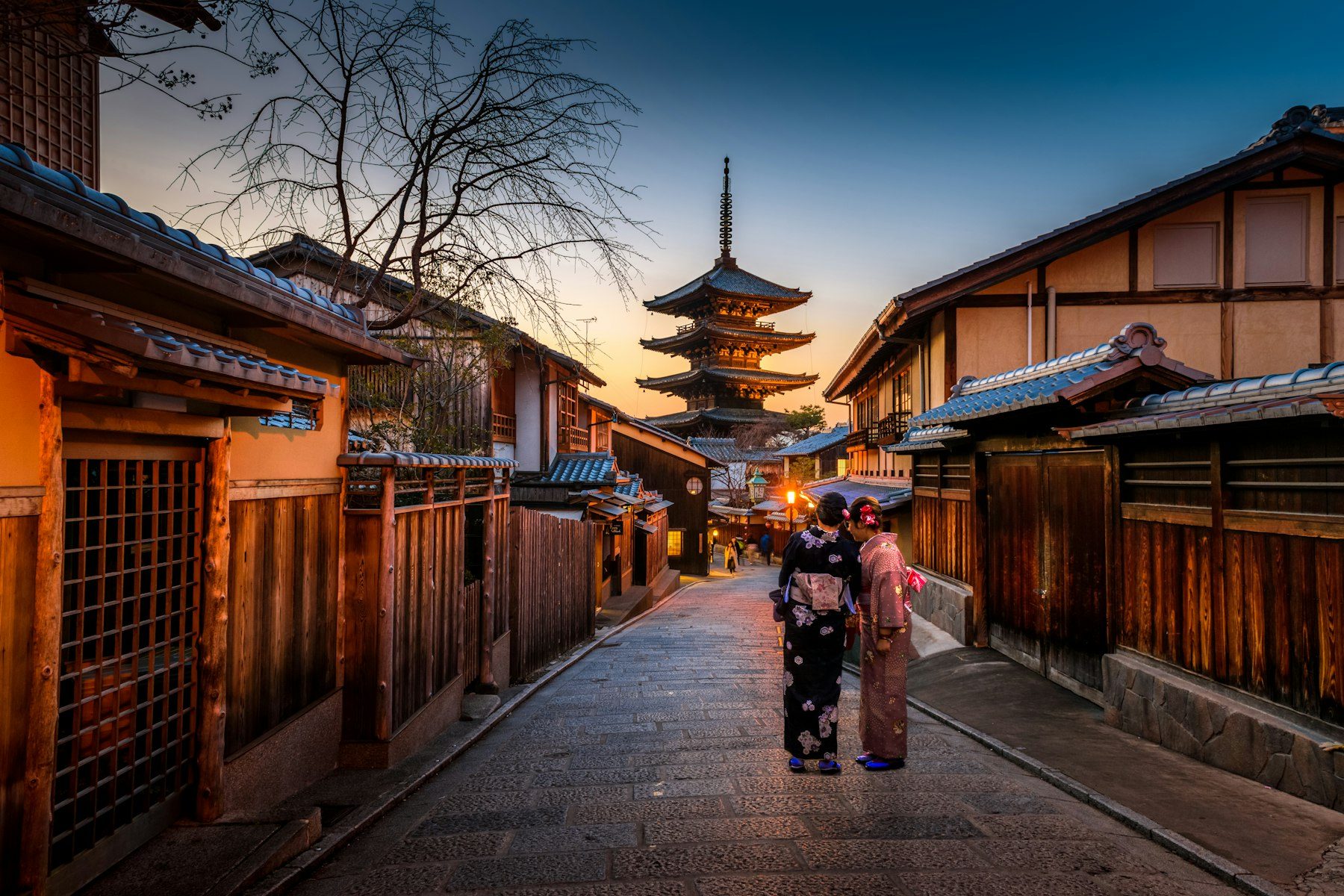
I design Japan as a sequence of rooms, meals, and quiet — Kyoto or not, Tokyo or not, a ryokan because the building is the point, not because it is on a board. Season is not a caption. Cherry blossom and foliage are real, and they are crowded. The better week is often the one beside them.

What I Protect In A Japan Itinerary

Sleep in the right neighborhood, not the famous one. A table that is actually possible to sit at. A day with only one paid experience, so the rest of the day can be a walk, a bath, a department-store basement, a shrine that is not a queue. Trains used as architecture, not as a sport.

I will still book the icon if it belongs to you. I will not stack icons until the trip is a commute. First-time Japan and twentieth-time Japan are different files. The first needs orientation without humiliation. The return needs something the first trip could not hold.

What I will not do is build a week that looks like a screenshot. If the brief is a list copied from a forum, we start over. Japan is not a scavenger hunt. It is a set of hours, and the hours have to be livable.

Season, Without The Crush

Late March and early April are beautiful and loud. November is the same in a different color. I like the weeks that sit next to those, and the deep winter when the baths are the reason to go. Summer is for people who mean it. I will say so.

Virtuoso partners in Japan are useful for the houses that know how to receive an advisor’s guest. They are not a substitute for knowing which ryokan still feels like a house and which has become a product. Taste is still the job. I wrote about that in What I Will Not Book.

Shoulder weeks in Japan are not a discount trick. They are how a temple is allowed to be a temple. I wrote the calendar version of this in Shoulder Season, On Purpose.

Tokyo, Kyoto, And The Space Between

Tokyo is a set of neighborhoods, not a city you “do.” Sleep where you will actually walk at night. Eat where a table is possible, not where a ranking says you should have been. A private guide in Tokyo is a comfort for some travelers and a weight for others. I will not add one because it looks complete on a page.

Kyoto is slower only if you let it be. The same eight gates in a day is still a commute. A ryokan belongs here when the building is the point: the corridor, the bath, the meal that is the evening. It does not belong here because a board said so. Some travelers want a hotel in Kyoto and a ryokan in the mountains. That is often the better instrument.

The space between is not filler. Kanazawa, Naoshima, a coast, a valley, a night on a train that is actually comfortable — these are not add-ons. They are how the trip stops being a list. I will not send you to all of them. I will send you to the one the week can hold.

How We Begin

Tell me whether you want cities, countryside, or both; whether a private guide is a comfort or a weight; whether you eat omakase because you love it or because you think you should. Then I build a week that does not look like a screenshot.

Also tell me the season you think you want, and whether you can move it. Japan is one of the places where changing the week changes the trip more than changing the hotel. If the date is fixed, we design around the crush instead of pretending it is not there.

If Japan is the next trip, or the one after that, begin with a conversation. Discovery is complimentary. Inquire here.

When A Villa Is The Right Call

When a villa is the right call

A house is not a bigger hotel. It is a different kind of day.

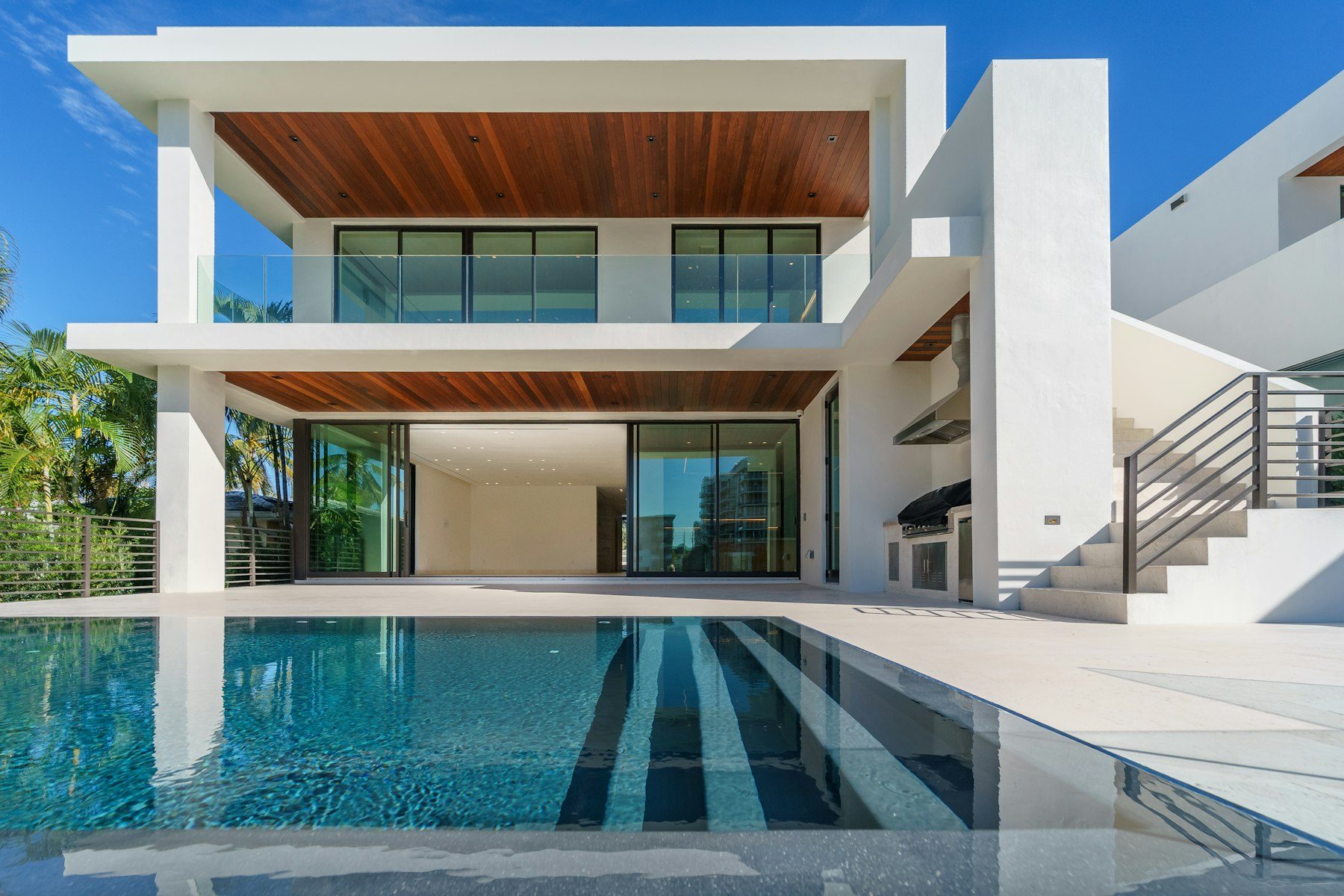
A villa is the right call when the trip needs a door that closes, a table that can hold the people you actually travel with, and a kitchen that does not require a reservation to exist. It is the wrong call when you want turndown, a restaurant downstairs, and someone else to think about breakfast.

I do not default to a villa because it photographs as “more luxury.” I default to how you live when no one is watching. Some travelers want a house. Some want a house with a cook. Some still want a hotel, and they should have one.

The work is matching the architecture to the days, not upgrading the category for its own sake.

When A Villa Is Actually The Point

Families who do not want to meet in a lobby. Friends who cook. A couple who wants morning quiet and a pool that is not a scene. A group that needs connecting life, not connecting rooms that almost connect. Multi-generational travel often belongs in a house: grandparents can rest, children can disappear into a garden, dinner can happen at the hour the youngest will actually eat.

Privacy is the usual reason people ask. Rhythm is the better one. A villa sets the day from the inside. You wake in a place that already belongs to you for the week. You are not performing check-out at eleven.

A house also changes the map. You can stay farther from town if the table is the point. You can stay in town if the walk is the point. You can take a driver for the days you want a coast, and stay in on the days you do not. A hotel can do some of this. It cannot do all of it without asking you to live in public.

When A Hotel Is Still The Better Instrument

A great hotel is a staff in a building that knows how to receive you. Virtuoso amenities — breakfast, a credit, an upgrade when one exists — live most cleanly there. If you want a table you did not have to plan, a spa that does not require a private chef’s day off, or a concierge who can still get a car at midnight, the hotel is not a compromise. It is the tool.

I will not put you in a villa that is beautiful in pictures and empty of care. An unstaffed house in a place you do not know can become a logistics problem by day two. Staffed villas, and villas paired with a hotel’s reach, are a different product. That distinction is the planning.

There are weeks when a hotel is the only honest answer: a first visit to a city you want to learn on foot, a short stay where opening a house would spend the trip, a traveler who sleeps better knowing someone is downstairs. Taste includes knowing when not to upgrade the category.

Staffed, Unstaffed, And The Days In Between

Staffed does not mean a uniform in every doorway. It means someone who knows the house, the market, the road, and the hour you actually eat. A cook for breakfast only is a different product from a cook for the whole table. A housekeeper who comes at ten is a different product from a manager who lives on the property. I will say which one you are buying, because the photographs will not.

Unstaffed houses can be right for travelers who already know the place, who want to cook, who do not need a person on the other side of a door. They are rarely right for a first visit, a celebration that should feel held, or a group that will otherwise spend the week running a small hotel. If the listing is the only source, I am not designing. I am forwarding a brochure.

Preferred-partner villas and the houses I know through people, not listing sites, are not interchangeable. The network helps when the house sits in it. It does not make an empty house into a staffed one. I wrote the other half of that access in What Virtuoso Actually Gets You.

How I Design The House

We start with who is sleeping where, who cooks, who needs a door between generations, and whether you want to see staff or not. Then the map: walk to town or a car and a driver; a cook for breakfast only or for the whole table; a pool you will actually use. Sometimes the right answer is a hotel for three nights and a villa for four. The trip can change temperature. That is allowed.

I also ask what the week is for. A reunion is not a honeymoon. A working trip with a house as the office is not a beach week that happens to have a kitchen. If the villa is being asked to do hotel work — a different restaurant every night, a spa, a scene — I will say so, and we will choose the instrument that can actually do it.

If you want to see whether a house or a hotel is the instrument, begin with a conversation. Discovery is complimentary. Inquire here.