
The Analog Escape
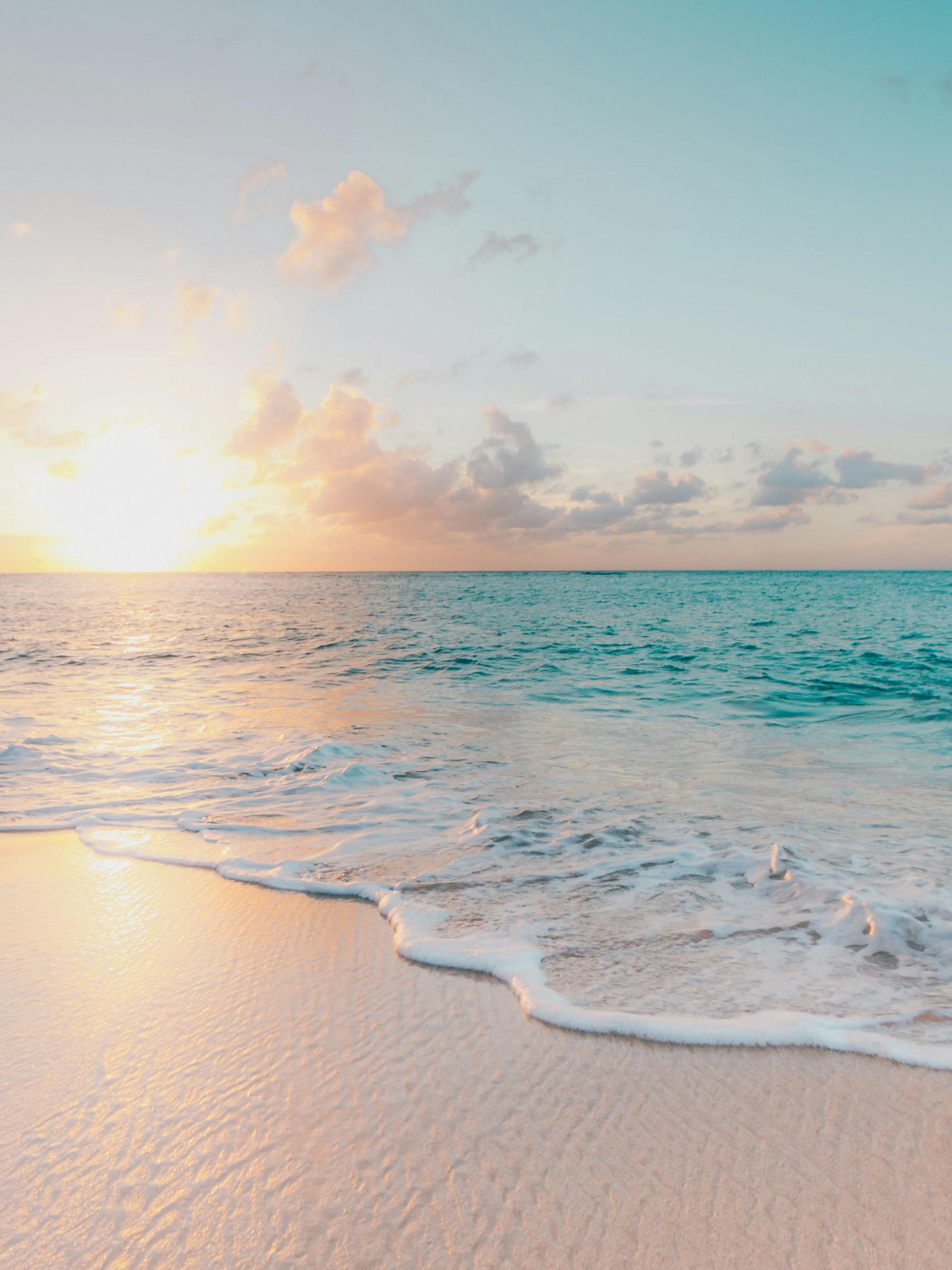
A day paced so you are not collecting sights.
The analog escape is not a rejection of the modern world. It is a refusal to let the trip become a feed. Fewer stops. A house on the right side of the hill. A table that is not performing for a camera. Time left unscheduled on purpose.
I design for how the days feel: the light in a room at six, the walk that does not need a ticket, the dinner that does not require a costume. When the itinerary is right, you put the phone down without being asked.
What Analog Travel Actually Means
Travelers search for “slow travel,” “digital detox trips,” and “unhurried luxury itineraries” when they are tired of collecting. They have done the nine-city tour. They have eaten in rooms designed to be photographed. They have stood in a lobby that was really a set. Analog travel, as I use the phrase, is not a ban on phones. It is a day that does not require an audience.
That is a design problem. It is not a packing list. It means choosing a house for the hour the light hits the terrace, not for a suite category on a diagram. It means one market in the morning, not three monuments. It means a driver who knows when to be silent. It means leaving Tuesday afternoon blank on purpose, and defending that blank when a well-meaning host offers another tasting.
How I Pace A Day
I start with sleep, meals, and walking distance. Not with a map of highlights. If you do not like early starts, we will not build a safari as if you do. If you want a long lunch, the afternoon activity yields. If a city is best on foot, we stay where the walk is the point, not in a tower that requires a car for every coffee.
Three good days in one place will almost always outlast six adequate ones in six places. That is true in Kyoto, in the Luberon, in a Maldives house, in a Patagonian lodge, in a single Namibian concession. Motion is easy to sell. Stillness is harder, and more expensive to do well, because it requires the right room and the discipline to stop adding.
Houses, Tables, Walks
The analog escape lives in three choices. The house: a room that is quiet at night, a bath you will actually use, a view that does not need a caption. The table: one that is not performing, where the wine list is for drinking, not for display. The walk: a route that does not require a timed ticket, or a guided hour that is actually a conversation.
I keep a private list of houses that hold this kind of day — in Japan, France, Italy, Spain, Chile, Argentina, Australia, the Maldives, and the safari countries I know well. Some are Virtuoso hotels. Some are villas. Some are camps. The filter is the same: will you put the phone down without being asked?
Where Analog Travel Works, And Where It Does Not
It works in places that already have a pace: a ryokan that closes the kitchen at a human hour, a Provençal house with a pool you can hear from the bedroom, an atoll where the reef is the activity, a desert camp where the evening is the point. It works poorly in itineraries built as a highlight reel — capital to capital, one night each, a “best of” that is really a commute.
If you want that reel, I am not the advisor. I wrote the other side of this in What I will not book. If you want fewer stops and a better room, that is the conversation. Discovery is complimentary. Inquire here.